
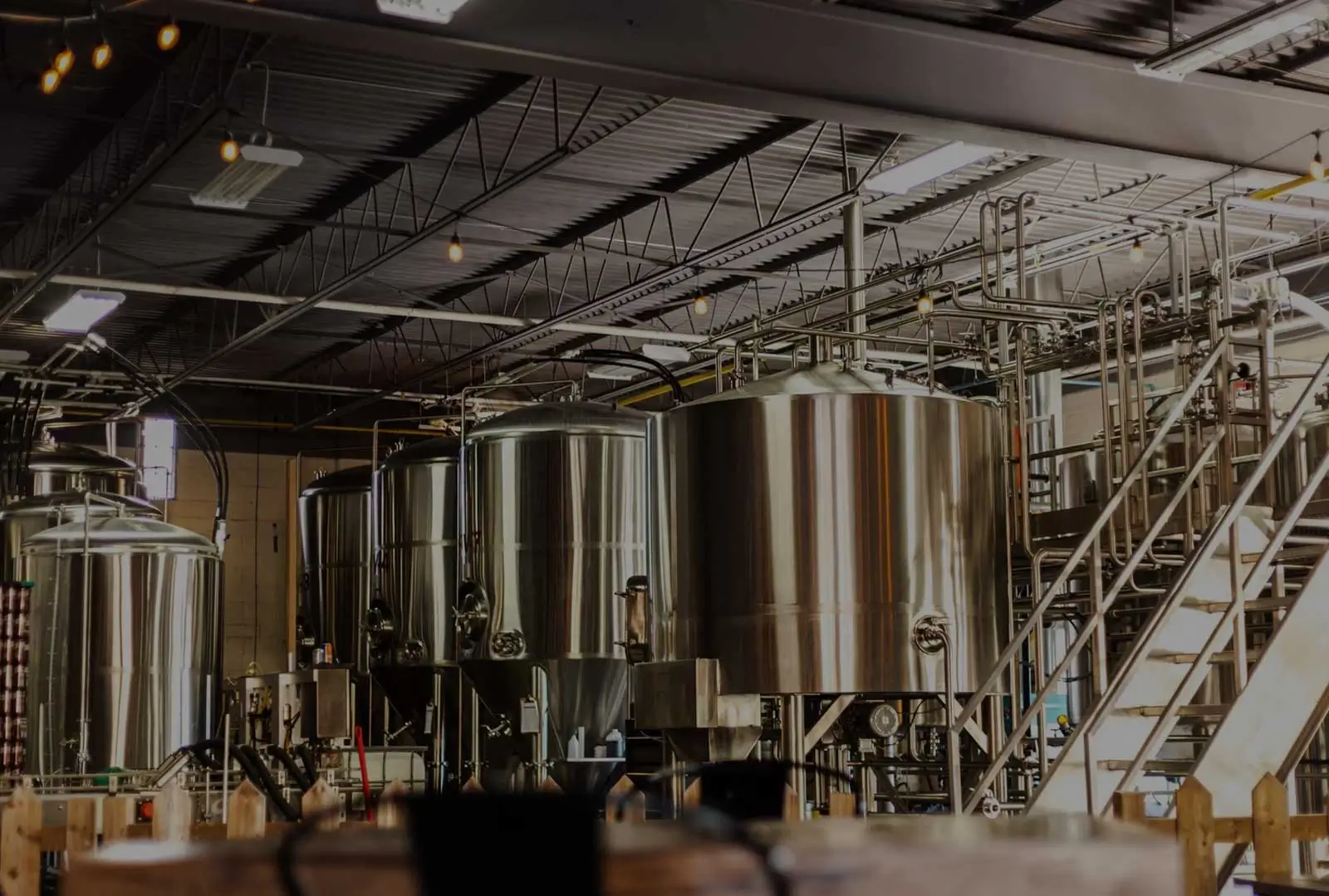
Manufacturers validate systems by running 72-hour continuous stress tests, verifying 50+ individual component data points via PLC interfaces, and conducting 1.5x MAWP hydrostatic pressure trials to guarantee structural longevity. These performance metrics ensure that Beer Brewing Equipment Manufacturers provide systems capable of managing complex thermal cycles without sensor drift.
Engineers initiate system validation by checking the physical metallurgy of stainless steel tanks against ASTM A240 standards, ensuring 316L grade components maintain corrosion resistance in high-salinity environments. Every individual weld undergoes dye penetrant inspection, with a 0% failure tolerance for seams exposed to boiling wort to prevent microscopic bacterial harboring.
High-pressure water circulation tests utilize calibrated flow meters to track discharge velocity, ensuring that pumps maintain a ±2% accuracy rate when moving high-viscosity mash through narrow-diameter piping loops.
After confirming structural integrity, the focus shifts to the electrical architecture, where engineers simulate a power failure while heating elements are engaged. They verify that magnetic contactors open within 50 milliseconds, protecting the system from thermal runaway during a 2026 production cycle test involving 100 consecutive heating sequences.
| Component Type | Test Protocol | Target Tolerance |
| Temperature Sensor | Ice/Boil Bath | ±0.1°C |
| Variable Frequency Drive | 0–60Hz Sweep | ±0.5% RPM |
| Pneumatic Valve | 500-cycle stress | <0.01% leakage |
Once electrical safety is verified, the logic controllers undergo software stress testing to determine how the system handles sensor signal noise. Engineers inject simulated impedance errors into the signal path to confirm that the HMI displays a warning before the temperature deviation exceeds 0.3°C across a 500-liter batch.
Automated cleaning cycles are validated using riboflavin fluorescence testing, where 98% of the internal surface area must show complete coverage during a standard 30-minute caustic recirculation phase at 80°C.
Thermal transfer capacity testing follows, where engineers measure the heat exchanger efficiency by recording the delta T between incoming wort and chilled glycol streams. A system must demonstrate the ability to reduce 2000 liters of liquid from 95°C to 15°C within 45 minutes to meet the design specification for commercial fermentation readiness.
Steam-jacketed vessels require a specific condensate discharge test to prevent water hammering, which can destroy the integrity of the steam manifold under sustained pressure. Technicians observe the steam trap operation during 10 full boil cycles, ensuring that condensate discharge frequency remains consistent with the boiler's 3-bar pressure output.
Ultrasonic thickness gauges are applied to the kettle wall post-testing to ensure that thermal expansion has not caused localized metal fatigue or stress fractures in the weld heat-affected zones.
Integration testing concludes the process, where the entire piping manifold is purged with food-grade carbon dioxide to detect microscopic leaks at pressures reaching 2.5 bar. Each of the 30 connection points must hold pressure for 60 minutes without the gauge dropping by more than 0.05 bar, confirming that the system is airtight.
Finally, the data collected from these protocols is compiled into a technical manual that provides the brewer with a baseline for future maintenance intervals. This documentation tracks the calibration drift of flow meters, ensuring that the owner can schedule recalibration every 2,000 operational hours to maintain the accuracy required for high-volume consistent production.