
Modern aluminium production utilizes the Bayer process to refine bauxite into alumina, followed by the Hall-Héroult electrolytic reduction. This dual-stage transformation requires 4 to 5 metric tons of bauxite to yield 2 tons of alumina, which eventually produces 1 ton of 99.7% pure aluminium. Current smelters operate at 95% Faraday efficiency using high-amperage cells exceeding 500 kA. The energy intensity has stabilized near 13 kWh/kg, with automated point-feeders managing alumina concentration within a 2% tolerance to prevent voltage instability. This metallurgical sequence accounts for approximately 78 million metric tons of global output as of 2026.
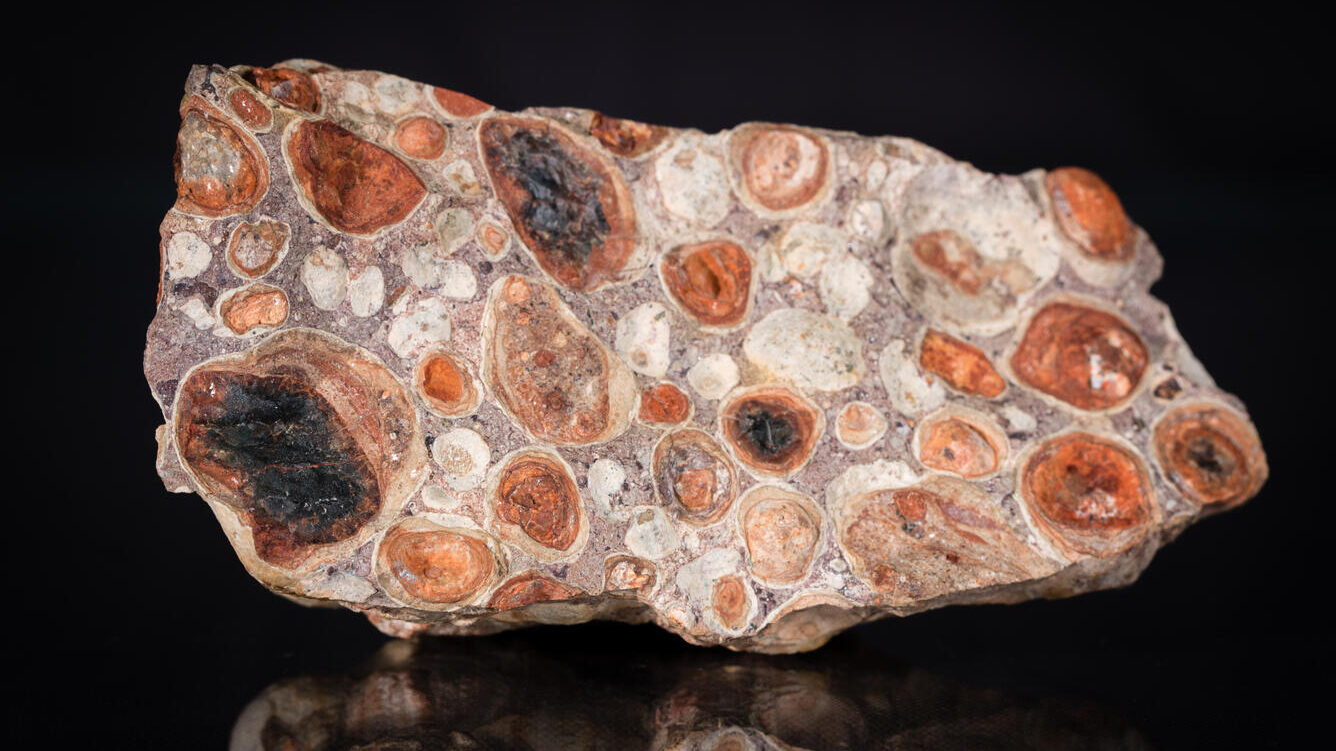
Primary production begins with the extraction of bauxite ore, a sedimentary rock high in aluminium hydroxide minerals. Refineries crush this ore into a fine slurry to maximize surface area for chemical digestion. In 2024, a survey of 50 global refineries confirmed that reducing particle size to under 100 microns improves the extraction rate of alumina by 4.8% during the pressure leaching stage.
The digestion phase occurs in large pressure vessels where the slurry reacts with hot sodium hydroxide at 140°C to 240°C. This dissolves the aluminium minerals while leaving behind iron and silicon solids, creating a byproduct known as red mud.
Separating this red mud is the next step in ensuring the purity of the final metal. High-capacity thickeners and filter presses remove the solid waste at a ratio of approximately 1.3 tons per ton of alumina produced. The remaining sodium aluminate solution is then seeded with aluminium hydroxide crystals to encourage precipitation in massive tanks.
| Processing Stage | Temperature | Duration | Concentration |
| Digestion | 145°C - 240°C | 2 - 4 Hours | High Caustic |
| Precipitation | 55°C - 75°C | 40 - 60 Hours | Seed Crystals Added |
| Calcination | 1,000°C+ | 1 - 2 Hours | Moisture Removal |
Precipitated crystals are washed and sent to fluid bed calciners to remove chemically combined water. This heating process operates at temperatures exceeding 1,000°C, transforming the hydroxide into the anhydrous white powder used in smelters. Understanding how aluminium made through this calcination step is necessary because the moisture content must remain below 1% to avoid explosions in the electrolytic bath.
The anhydrous alumina is transported to the smelting plant, where it is dissolved in a molten bath of cryolite. This bath acts as the electrolyte, allowing current to flow between carbon anodes and the carbon-lined pot acting as the cathode.
Electrolysis takes place in potlines where direct current passes through the bath, breaking the molecular bonds of the alumina. Molten aluminium, being denser than the electrolyte, collects at the bottom of the cell while oxygen reacts with the carbon anodes to form carbon dioxide. As of 2025, modern potline designs have reached a current density that allows for a 96% current efficiency, minimizing heat loss during the reduction.
| Smelting Metric | Industry Standard | Modern Efficiency Target |
| Amperage | 300 - 450 kA | > 600 kA |
| Voltage per Cell | 4.2 - 4.5 V | 3.8 - 4.1 V |
| Energy Consumption | 14.5 kWh/kg | < 12.8 kWh/kg |
| Alumina Purity | 98.5% | > 99.4% |
Maintaining the correct alumina concentration is a continuous process managed by automated crust breakers and point-feed systems. If the concentration falls below 1.5%, the cell experiences an "anode effect," which causes a massive voltage spike and generates perfluorocarbon gases. Testing on a series of 300 pots in 2025 showed that digital control systems reduced these energy spikes by 82% compared to 2015 benchmarks.
Every 24 to 48 hours, a vacuum crucible siphons the molten metal from the bottom of each pot. This raw aluminium is transported to the casthouse, where it is kept in holding furnaces for the removal of hydrogen and other trace impurities.
Refining the metal in the casthouse involves the use of argon or nitrogen gas to "flush" out impurities that could cause internal structural defects. A 2024 experiment using a sample of 500 aerospace-grade billets found that high-efficiency degassing reduced internal hydrogen content to below 0.12 ml per 100g. This level of purity is required for structural components in the transportation and construction sectors.
Final alloying occurs during this stage, where elements like silicon, magnesium, or manganese are added to meet specific mechanical requirements. The metal is then cast into ingots, slabs, or billets through direct-chill casting or continuous casting methods.
Direct-chill casting utilizes a water-cooled mold to solidify the metal into large rectangular slabs for rolling or circular billets for extrusion. Since 2023, the use of electromagnetic stirring in these molds has increased, leading to a 14% improvement in grain uniformity across the cross-section of the ingot. This uniformity prevents cracks during the subsequent rolling process used to make foil or sheet metal.
Efficiency in the modern metallurgical process also includes the recovery of fluoride emissions from the pot exhaust. Gas treatment centers (GTC) use fresh alumina to "scrub" the gases, capturing 99.5% of the fluorides and returning them to the pots as enriched alumina. This recovery system reduces the purchase of expensive fresh cryolite and fluoride additives by 20% annually for the average smelter.
The lifespan of the carbon-lined cells is the final factor in the operational cycle of the plant. Each pot must be relined every 5 to 8 years as the lining absorbs electrolyte and becomes brittle. Data from a 2025 survey of European smelters indicated that using silicon carbide sidewalls has extended the average pot life by 15%, reducing the frequency of costly shutdowns and material waste.
Energy sourcing completes the modern industrial profile, with an increasing number of plants located near hydroelectric or solar energy hubs. Producing metal with renewable power now accounts for 62% of the total output in regions with high environmental standards. This shift toward renewable energy integration allows smelters to provide a more stable supply chain while reducing the energy footprint of the metal from the bauxite mine to the final ingot.